When a school puts effort into the appearance of its buildings and decorations, like wall art and graphics , it shows that it cares about supporting all parts of a student's growth and learning experience by creating an engaging atmosphere for learning.
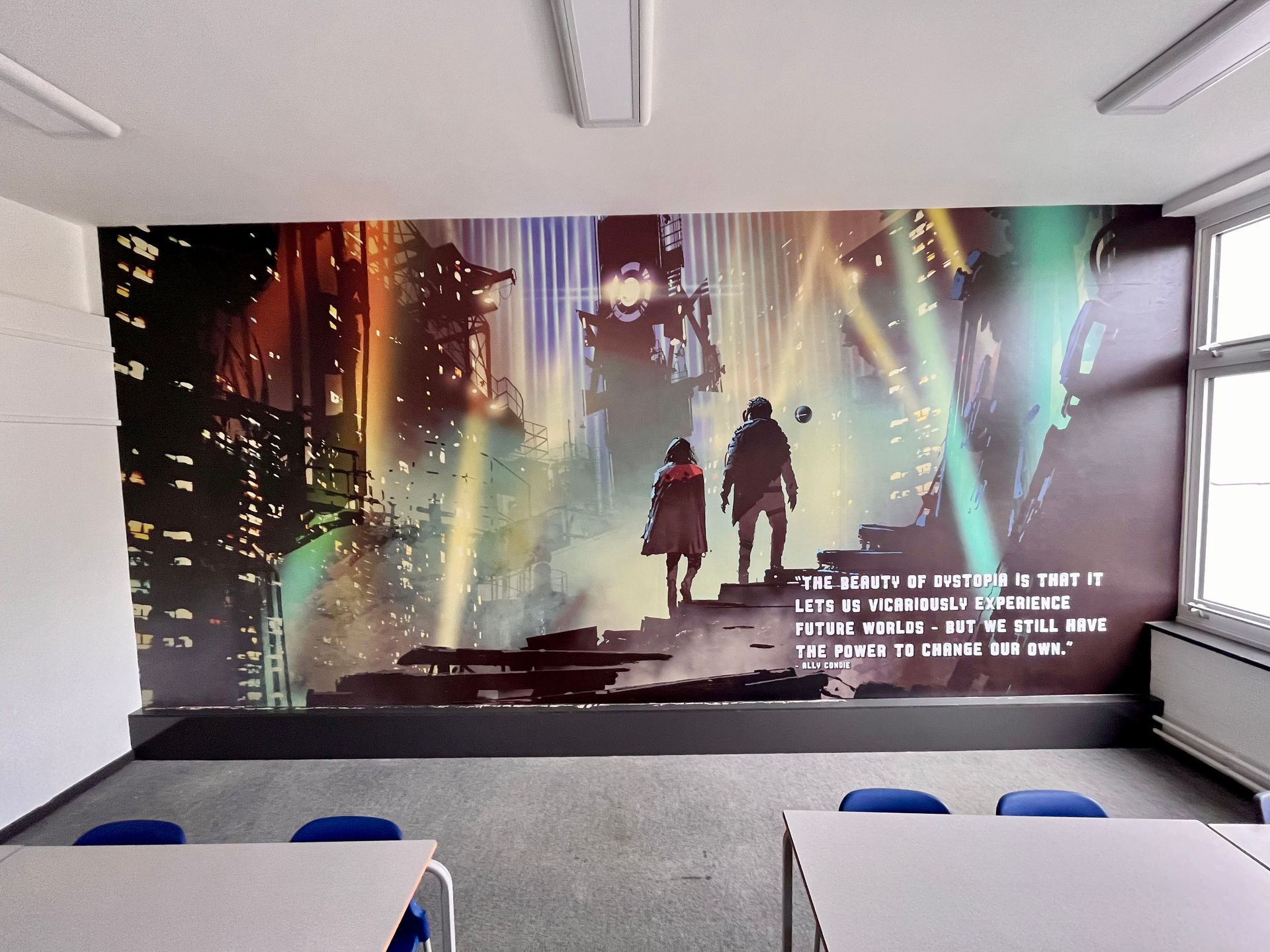
We are improving the appeal and amenities using wall graphics.
Enhancing the appearance of school buildings by incorporating wall art showcases a dedication to fostering a setting and nurturing holistic student growth. Below are steps for creating and integrating wall graphics to elevate the charm of school premises;
Design Elements that Catch the Eye for Visual Allure
Captivating Visual Designs;
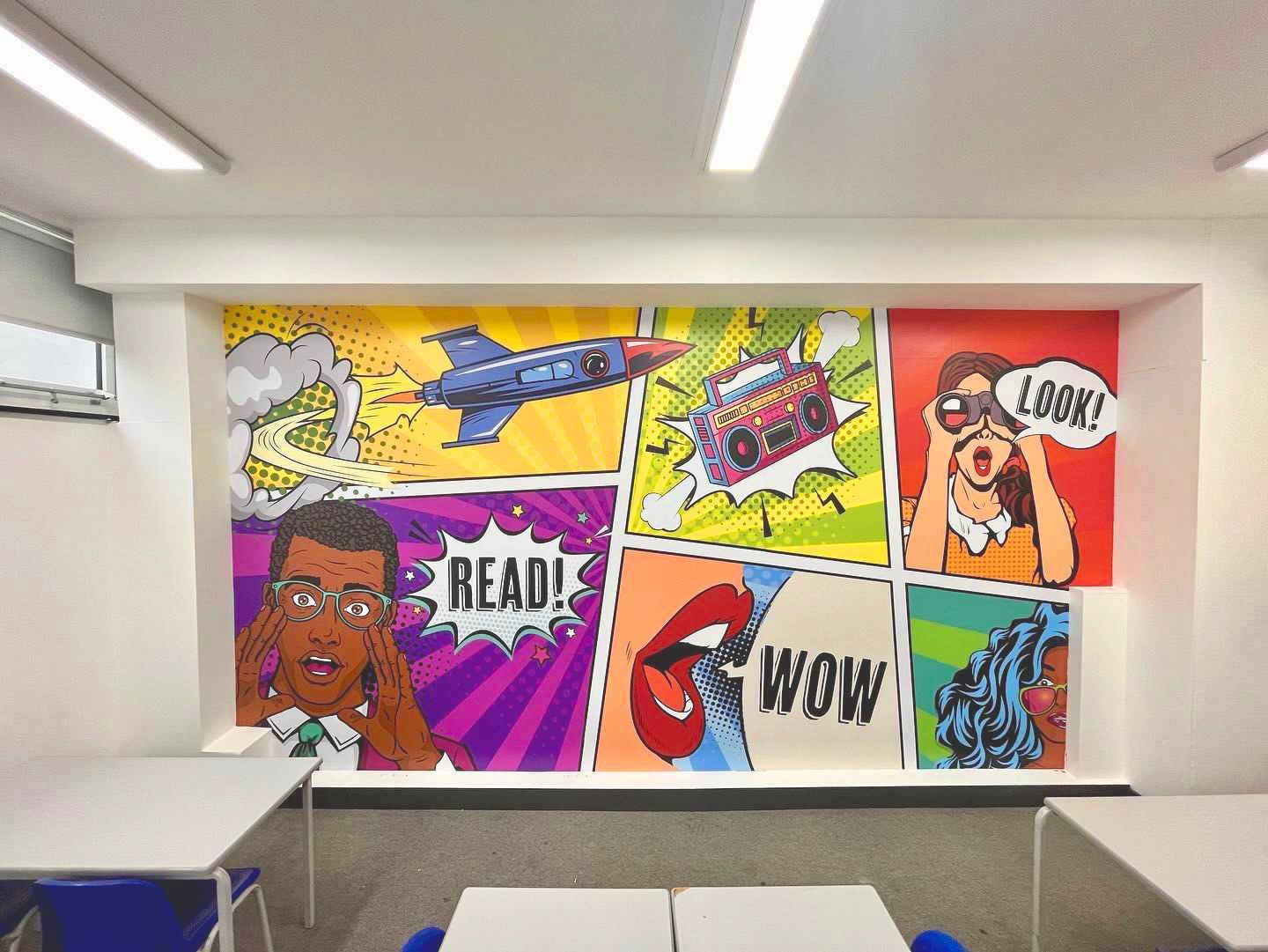
- Use lively patterns to design engaging spaces that grab students’ interest.
- Utilise natural elements, like scenery views, wildlife, and flora, to establish a captivating ambience in your work.
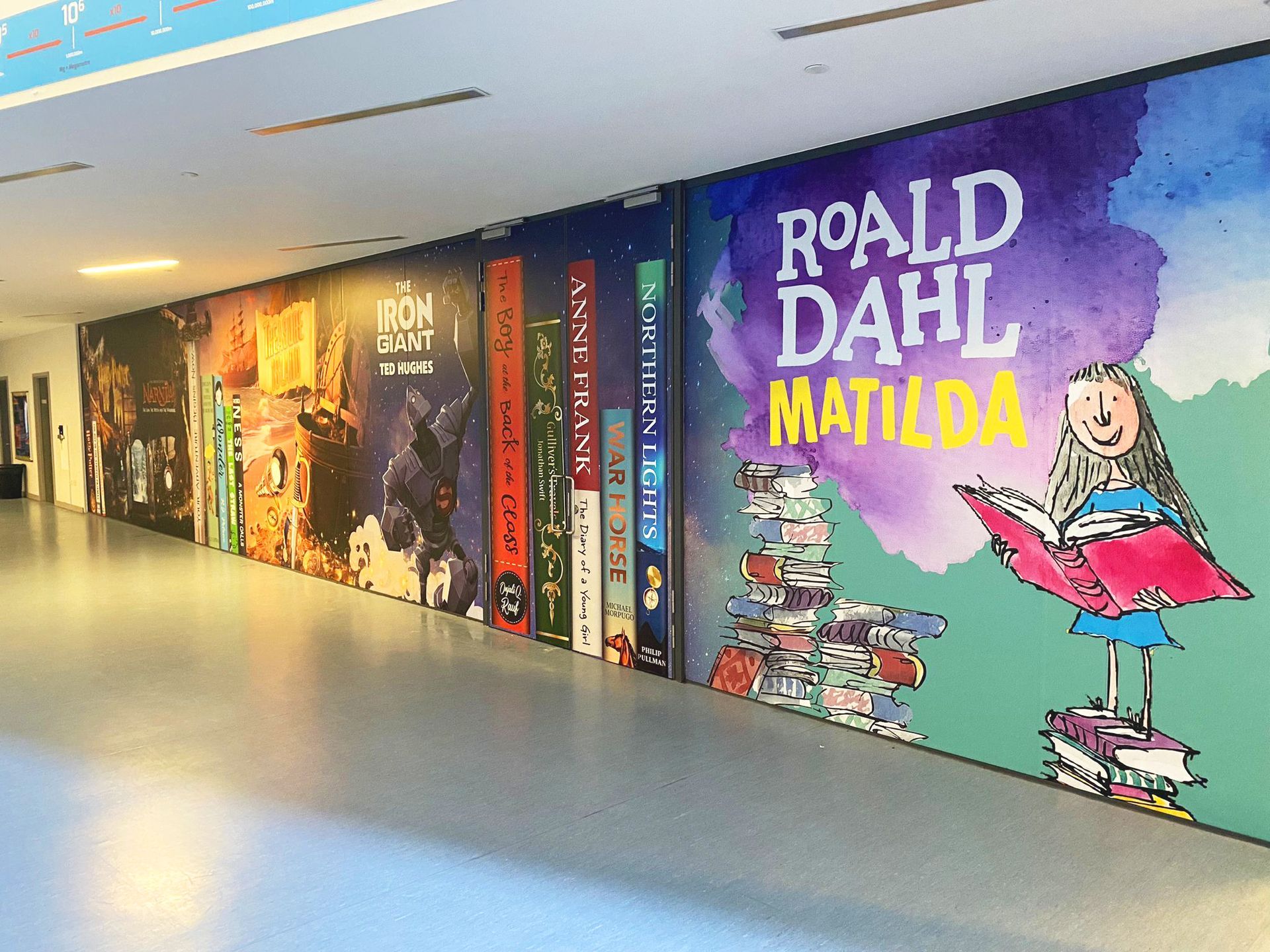
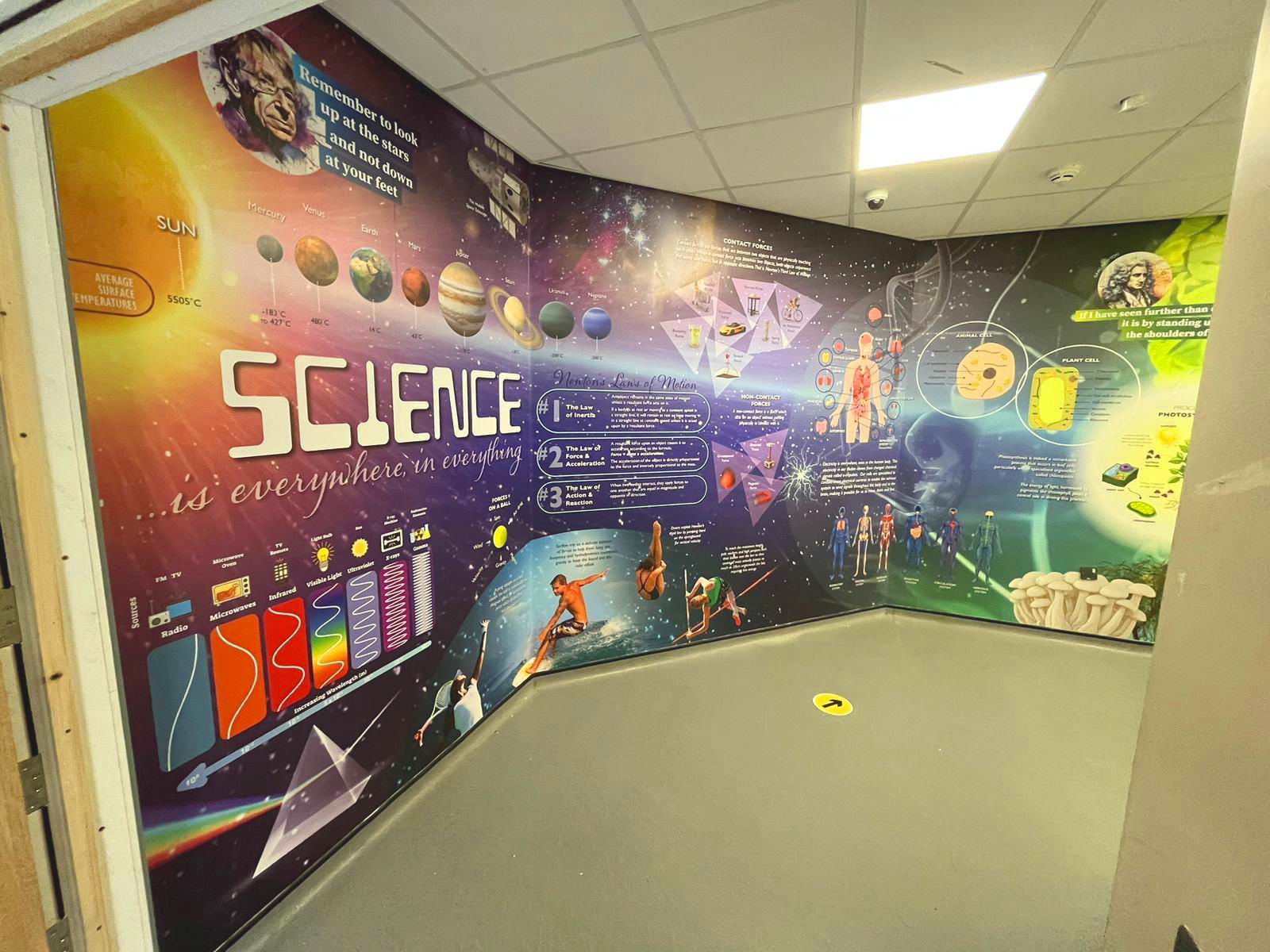
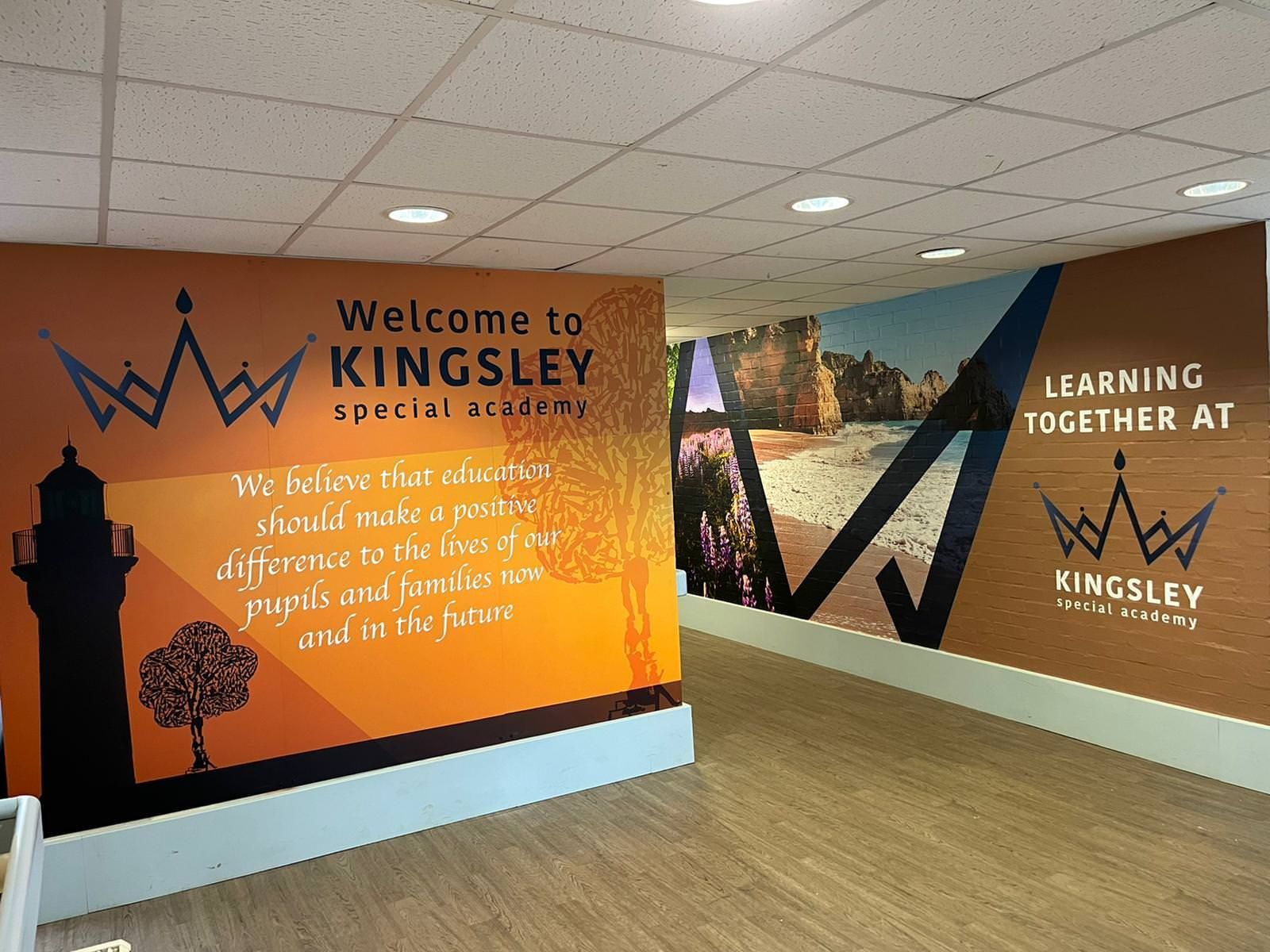
- Create murals that combine themes with elements, like historical timelines and scientific diagrams, while incorporating literary quotes.
- Display student art pieces to add a touch to the environment. Highlight their creative talents and accomplishments.
Utilising top-notch materials and finishes:
- Use top-notch materials and finishes to ensure the graphics are long-lasting and aesthetically pleasing.
- Enhance your designs by integrating surfaces and 3-dimensional elements to create depth and appeal to the overall aesthetic.

Spaces that are both practical and engaging for users;
Let's design walls that students can interact with during lessons and, in their time, incorporate write-on/wipe-off surfaces, such as magnetic boards and interactive features.
Set up screens to display content, like announcements, student work, and educational videos.
User Friendliness;
- Create inviting lounge spaces by incorporating seating and attractive aesthetics to promote relaxation and social engagement.
- Establish study zones by setting up areas designed for learning in tranquil and visually appealing settings that enhance concentration and productivity.
Safety and ease of access are considerations;
- Design elements meant for children should be placed at heights that are reachable for students of all ages, making them accessible and engaging for all kids.
- Safe Materials Tip: Ensure children engage with long-lasting materials free from harmful substances.
Strategically Positioning for Optimal Influence.
Types of settings;
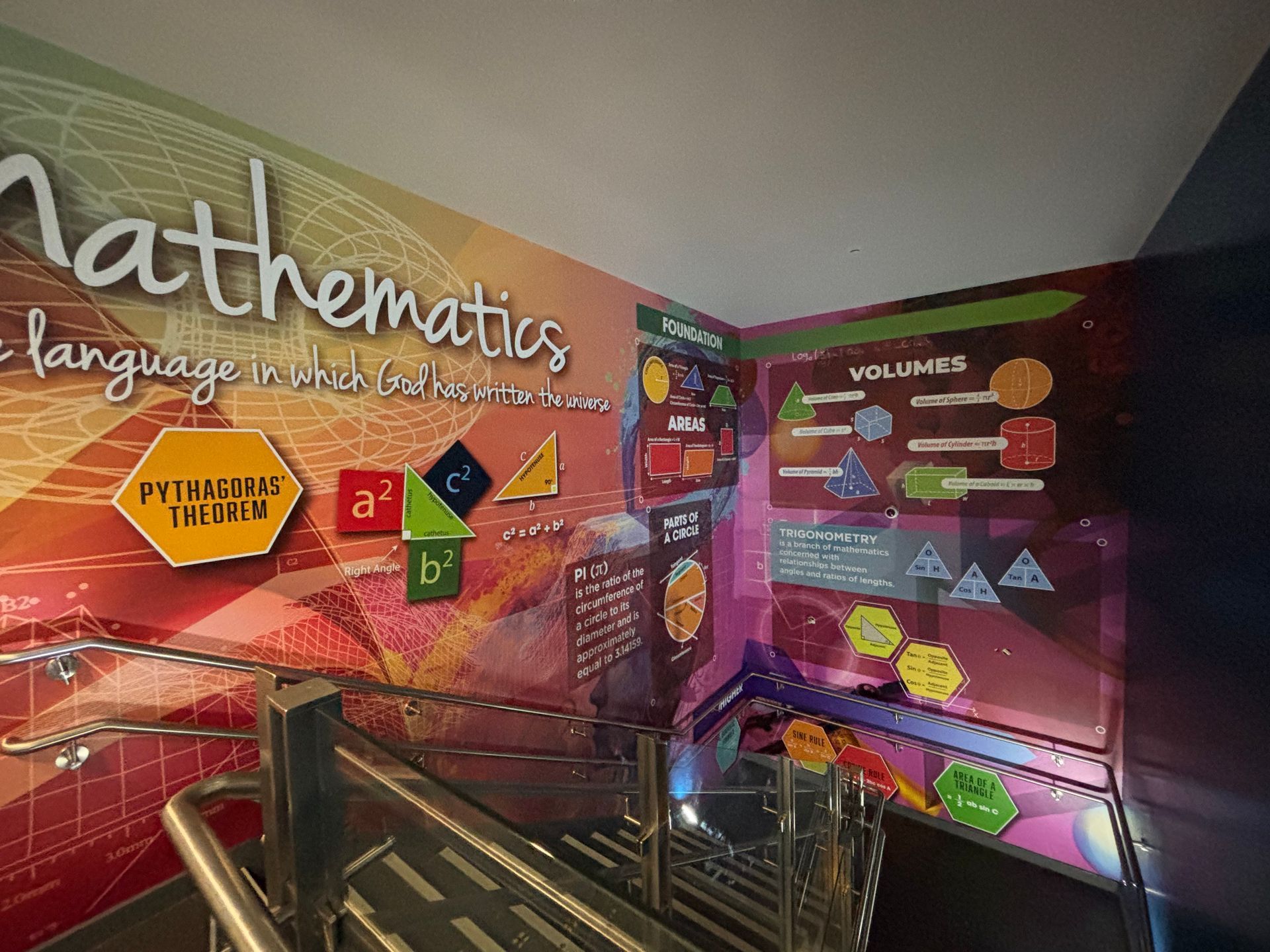
- To enhance the classroom setting, incorporate murals on the walls featuring math formulas, scientific procedures, and literary motifs.
- Set up areas with boards that can be written on and magnets for tasks and practical learning experiences.
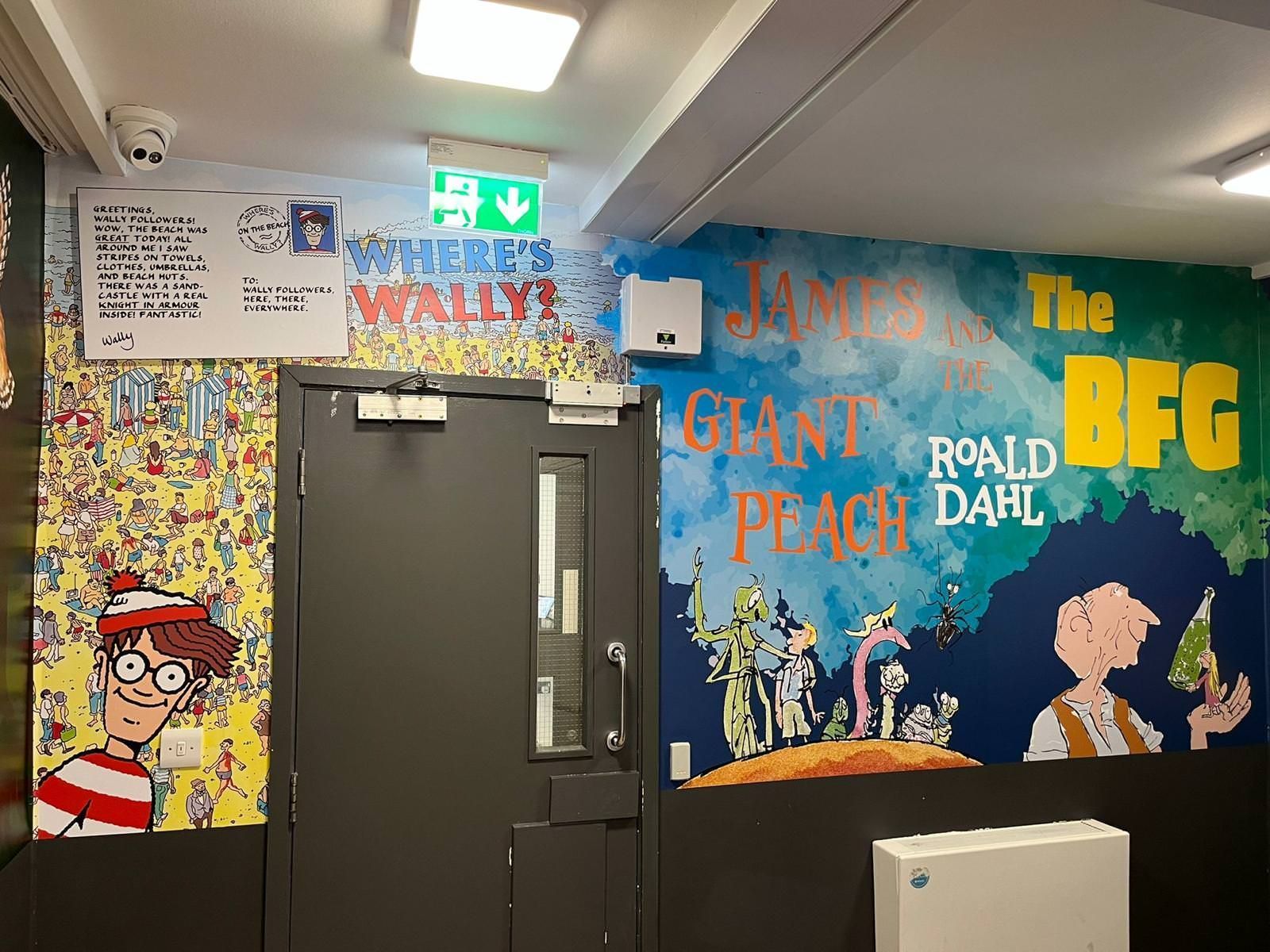
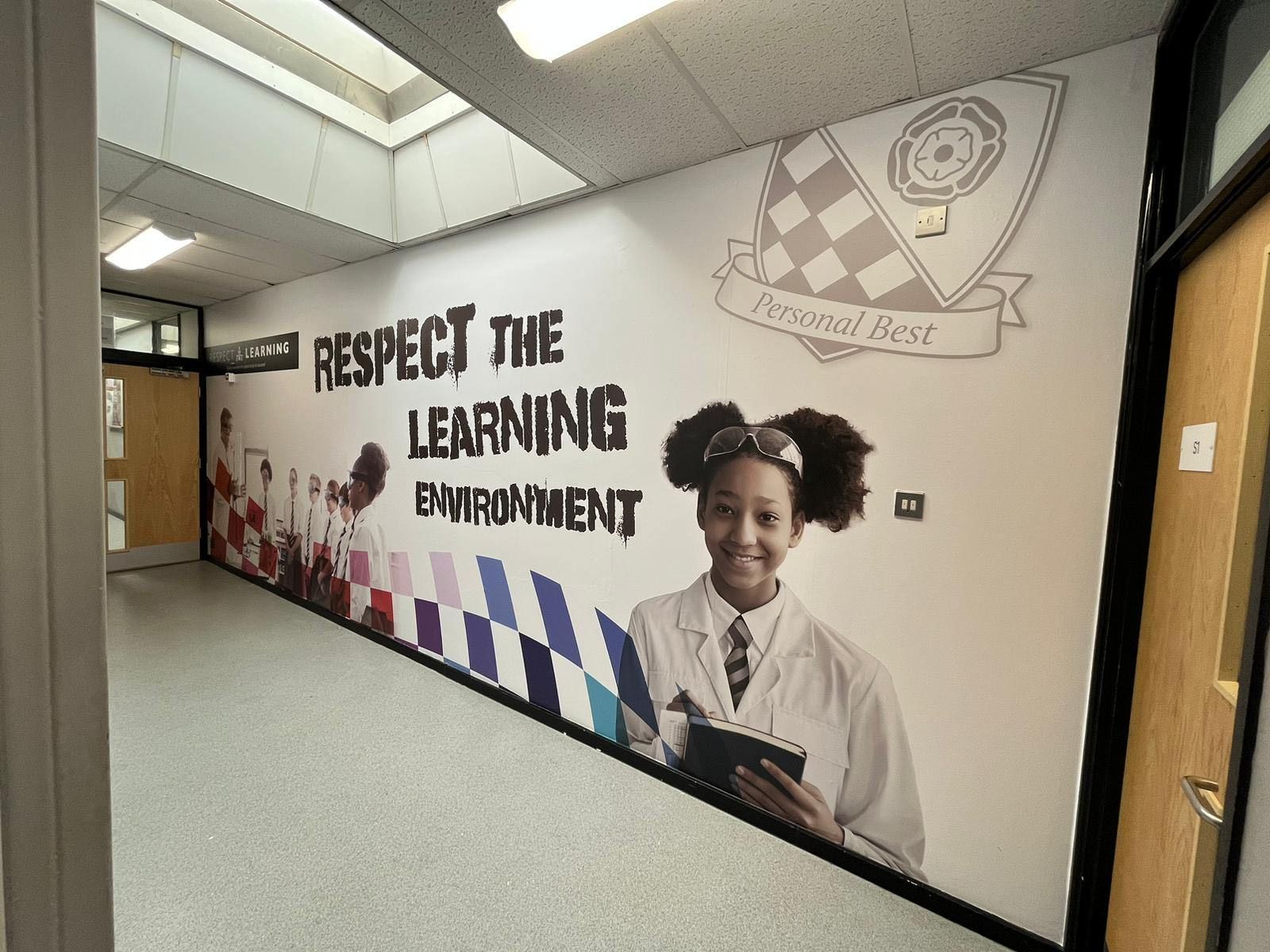
- Create hallways by decorating them with themed graphics that represent various subjects and values of the school to inspire students as they walk through.
- Utilise areas of the hallways to showcase the art and projects of students in a way that keeps the gallery lively and constantly evolving.
Common Meeting Places;
- Sharing spaces can be transformed into community hubs by incorporating seating arrangements, interactive features, and inviting visuals to create a warm and welcoming atmosphere.
- Create inviting reading corners by incorporating captivating wall decorations and cosy seating to inspire a passion for literature.
Study Spaces;
- Let's establish library areas with tranquil décor encouraging focus and a serene ambience.
- Create learning walls by setting up walls that offer materials and writable areas for group study sessions.
Approach to Execution
Working together in the design process;
- Involve the community in the design process by involving students, teachers, parents, and staff to ensure that the graphics represent the school community's values and preferences.
- Expert designers collaborate with professionals to craft top-notch visuals that elevate the school's charm.
Choosing materials;
- Select child-friendly materials that are safe and non-toxic for kids to play with.
- Choose eco choices by selecting materials to support the school's dedication to environmental stewardship.
Set up the professionals to install the system for you.
- Professional Setup Ensured: Make sure to have an installation for safety and visual appeal to prevent alignment or damage problems.
- Place graphics and interactive elements at a height where all students, regardless of age, can easily see and reach them.
Keeping Things Up to Date;
- Remember to clean and maintain your graphics to stay fresh and engaging over time.
- Let's plan updates incorporating themes and achievements while hosting engaging community events to keep the environment lively and exciting.
Examples of wall graphics that enhance the appeal and functionality of a space.
Murals for Education in Classroom Settings;
- Artistic walls adorned with murals that blend concepts with flair. Think math equations intertwined with scientific theories and literary excerpts.
- The effect is to improve the learning setting by making it visually appealing and educational.
The use of displays in hallways;
- Hallways are designed with graphics and interactive features, such as surfaces and magnetic boards, that showcase various subjects and school values.
- Enhances the learning experience by offering a pathway for students and enabling educational opportunities.
"Thriving Community Centers;"
- Public spaces have been revamped to become gathering spots, featuring seating arrangements and engaging decor that promote socialising and interaction.
- Having an impact that fosters a sense of community is essential to creating a positive school environment for students and staff.
- Libraries are designed with areas with relaxing visuals and cosy seating to help people focus and create an ambience.
- Promotes a passion for reading. Sets up a space that's ideal for study sessions.
Closing Remarks
Enhancing schools' appeal and functionality through high-quality wall graphics can help create a learning environment that nurtures all facets of student growth and development. These appealing graphics not only add beauty to the school surroundings but also bring valuable educational and motivational advantages that promote a positive and lively school atmosphere. By adopting this strategy in school settings, students and staff can benefit from an involved school community, boosting their overall achievements and welfare.